CAREsolar review article published
10 January 2026
Our new open-access article in Energy Reports presents the findings of a systematic review of social science research on large-scale solar plants, which has increased dramatically in recent years as their deployment has accelerated around the world.
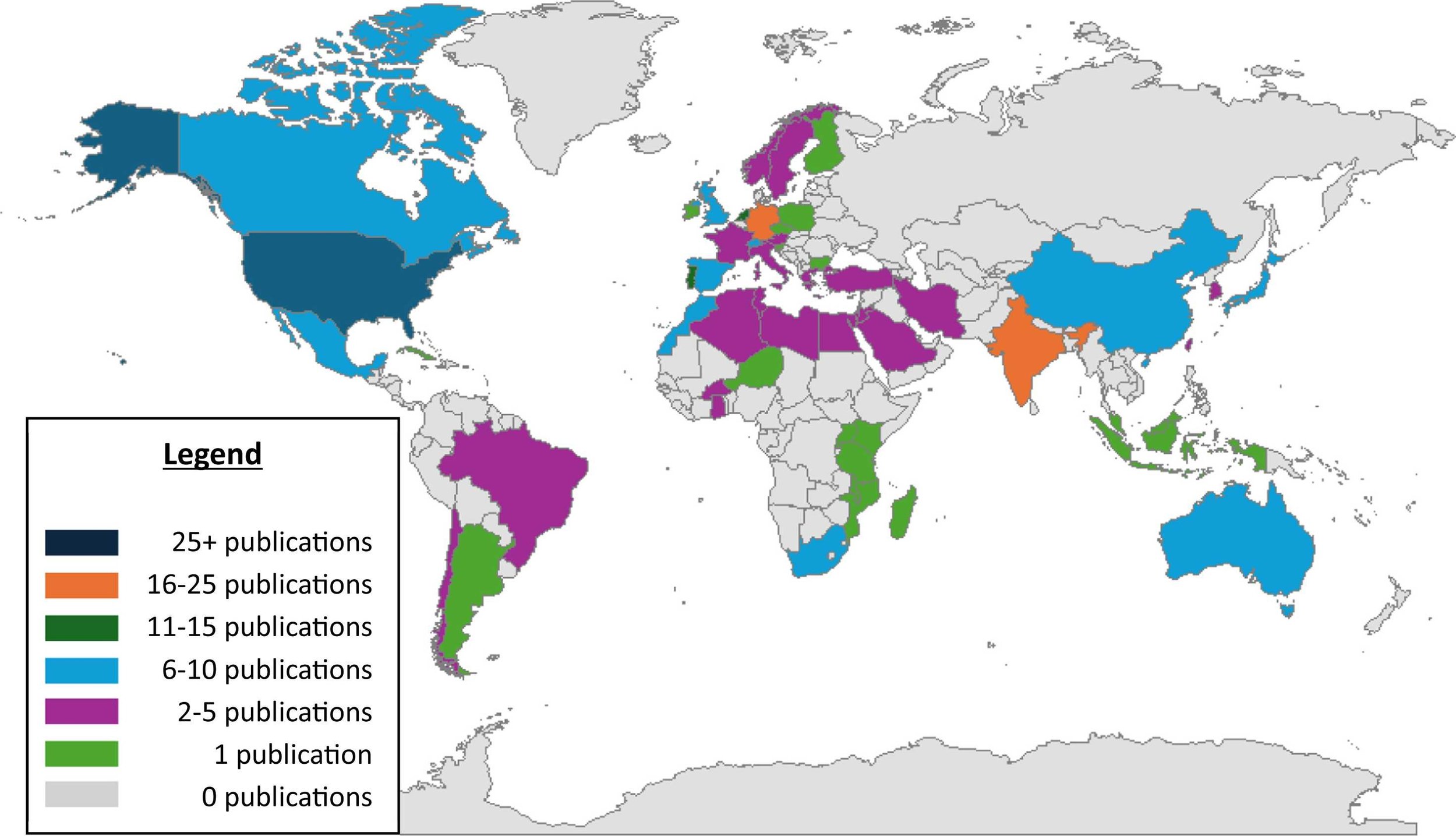
The paper provides a broad overview of the research, integrating literature on institutions, public perception, socio-ecological impacts, conflict and innovation.
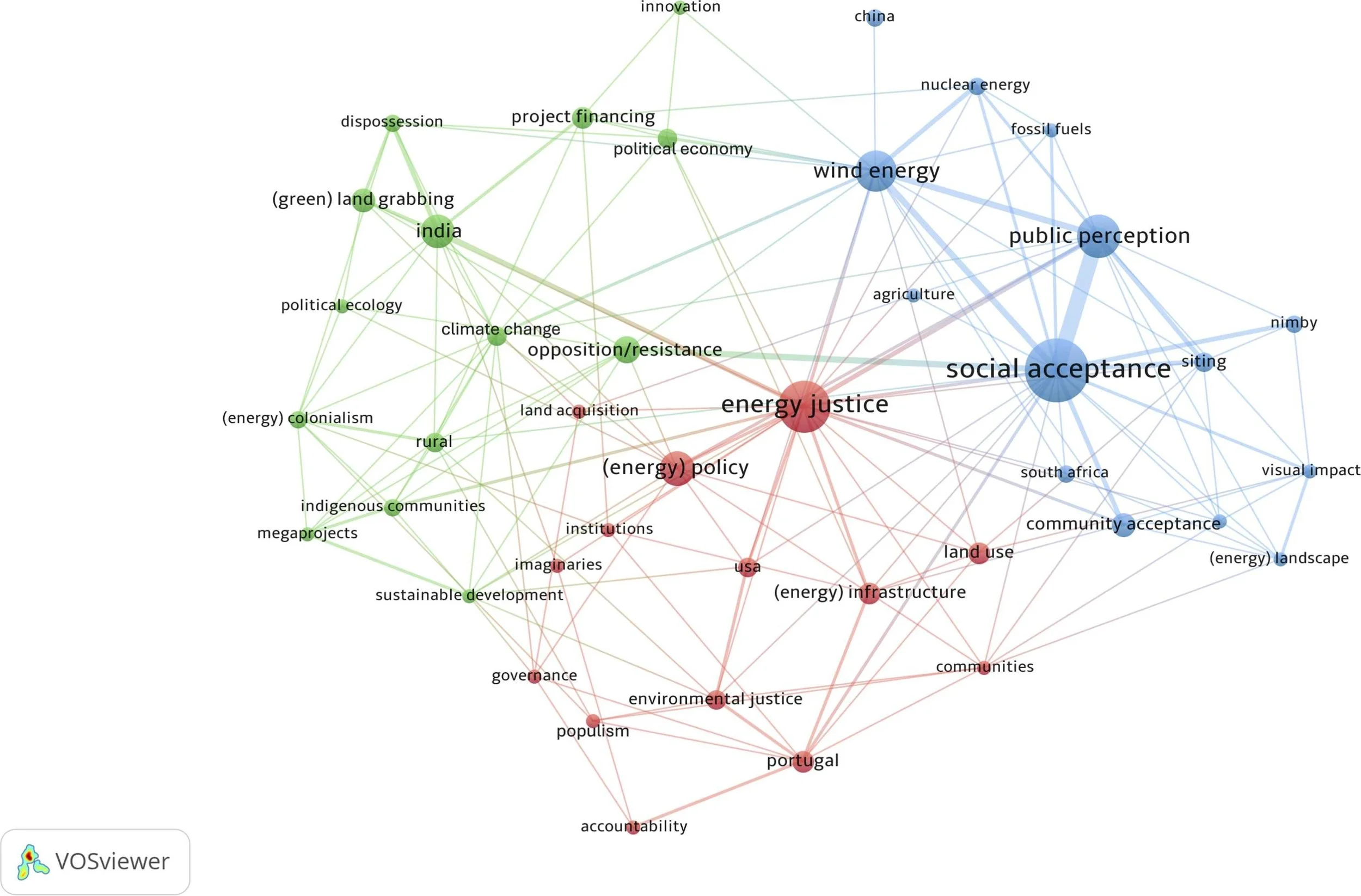
The network analysis of article keywords suggested three clusters of research objects, concepts, geographical contexts and subjects that broadly align with the research programs of social acceptance, energy justice and political ecology.
One of the paper’s main contributions is the development of a critical and relational perspective on social responses to large-scale solar projects.
Rather than treating acceptance or opposition as the outcome of individual attitudes alone, the review shows how public responses are shaped through the interaction of institutional arrangements and public meanings. Planning systems, land-use regimes, financial incentives, and government policies influence how projects are developed, while perceptions of place, cultural values, historical experience, and energy imaginaries shape how they are understood and contested.
The paper argues that much social acceptance research has tended to isolate “community” responses from the broader political-economic contexts in which projects unfold. By contrast, critical approaches grounded in energy justice, political ecology, and postcolonial studies highlight how solar deployment can intersect with land dispossession, labour precarity, and uneven development, particularly in Global South and Indigenous contexts.
To bridge these perspectives, the article proposes a conceptual framework linking processes of meaning-making and structuration. This relational model foregrounds how discourses, imaginaries, and lived experiences interact with institutional rules, material infrastructures, and power relations to shape diverse social responses — from conflict and resistance to cooperation and social innovation.
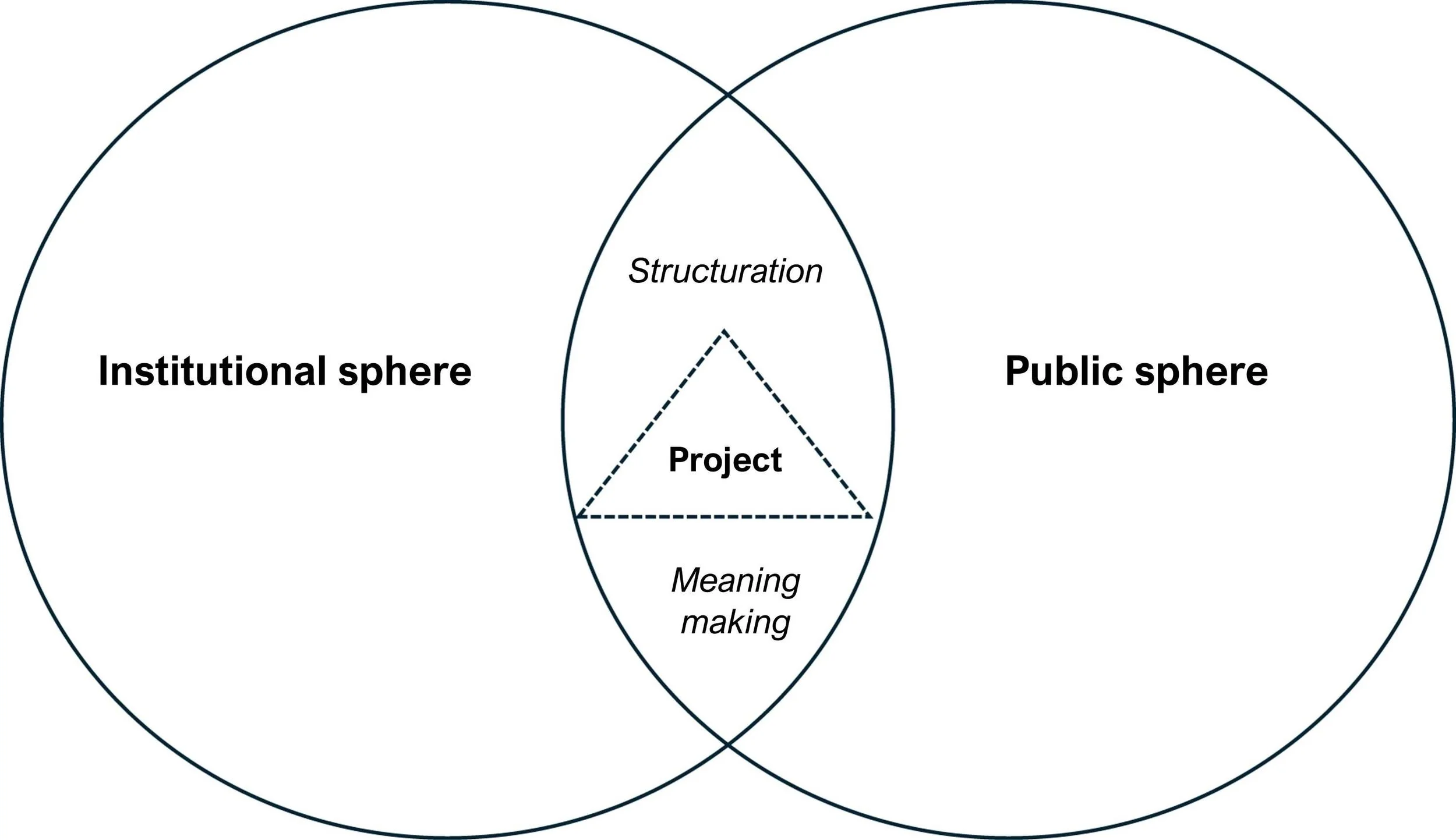
Building on the cultural political economy approach, this simple conceptual model allows us to think about large-scale renewable energy projects as being shaped by the relations between institutions and civil society.
By integrating these two sides of the equation and highlighting the range of adverse political, economic, social and environmental impacts documented in the literature, this framework provides a basis for more critically informed research that traces the dynamics of actually existing conflicts over the energy transition.
